
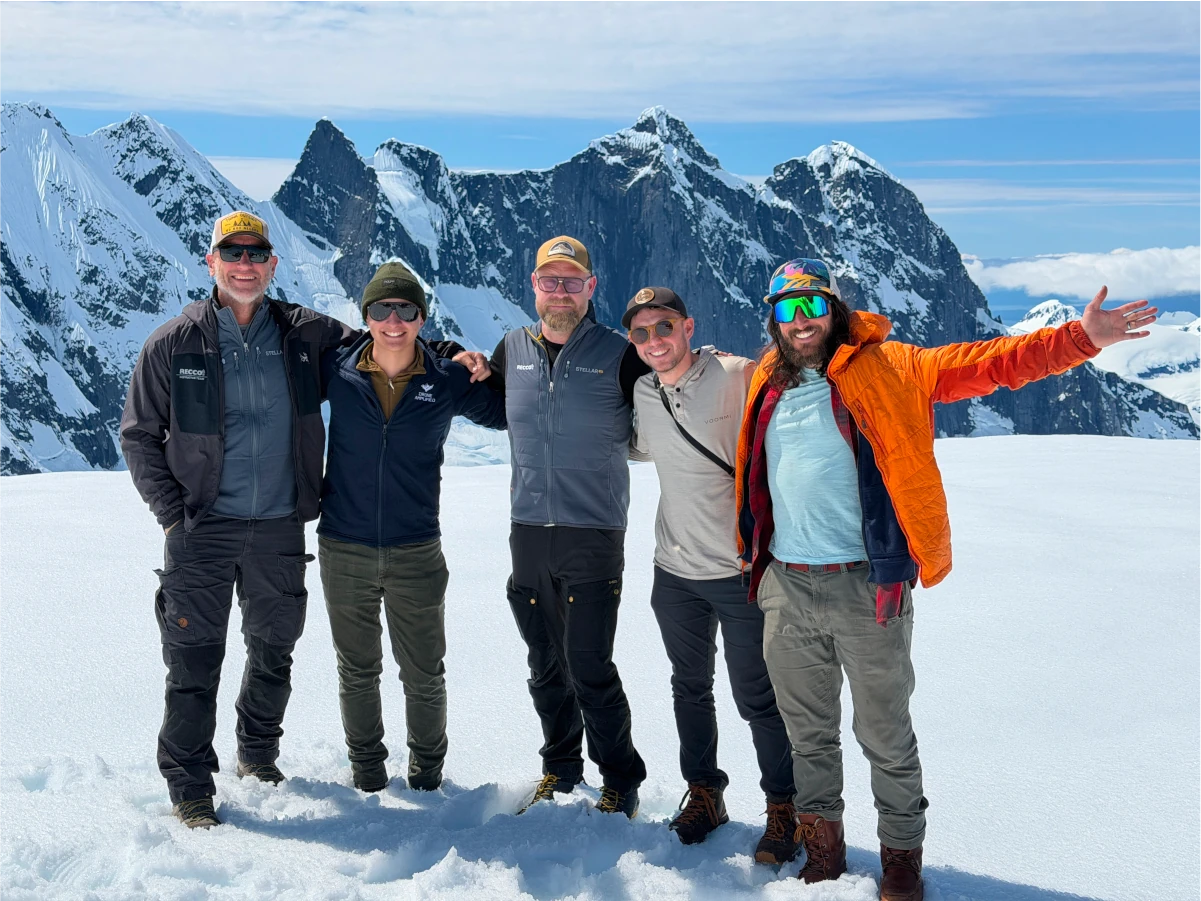
Attending the annual Mountain Rescue Association (MRA) conference in Juneau, Alaska, was a profound reminder of the caliber of individuals operating in wilderness search and rescue (SAR). This nationwide network of volunteer rescuers routinely heads into some of the most unforgiving, high-pressure environments on the planet.
Listening to their stories—like a physician having to make the call to intubate a patient and manage their breathing during a grueling backcountry rope rescue, or the Coast Guard navigating intense pressure to rescue 42 people in the Bering Strait—leaves you with immense respect for their operational decision-making. These teams operate at the absolute edge, often deep in the backcountry without reliable communication, relying entirely on their training, their judgment, and the gear on their backs.
As technology developers, our job is not to reinvent how these experts do their jobs, but to build tools that seamlessly amplify their capabilities. Coming out of the MRA conference, here is how we are thinking about the future of purpose-built SAR drone technology.
Understanding the Backcountry Logistical Footprint
For years, advanced search technologies have been successfully deployed via manned helicopters. The aviation crews flying these missions are phenomenal, maintaining highly complex flight profiles—often needing to stay within 70 to 80 meters of the ground—to execute searches. Manned aviation will always be a cornerstone of large-scale rescue operations.
Unmanned Aerial Systems (UAS) serve as an accessible, scalable complement to these traditional assets. When organizations can deploy multiple drone units directly on-site, they add a highly flexible layer to their search grid. However, bringing this capability to the field requires a deep respect for the physical realities of the rescuer.
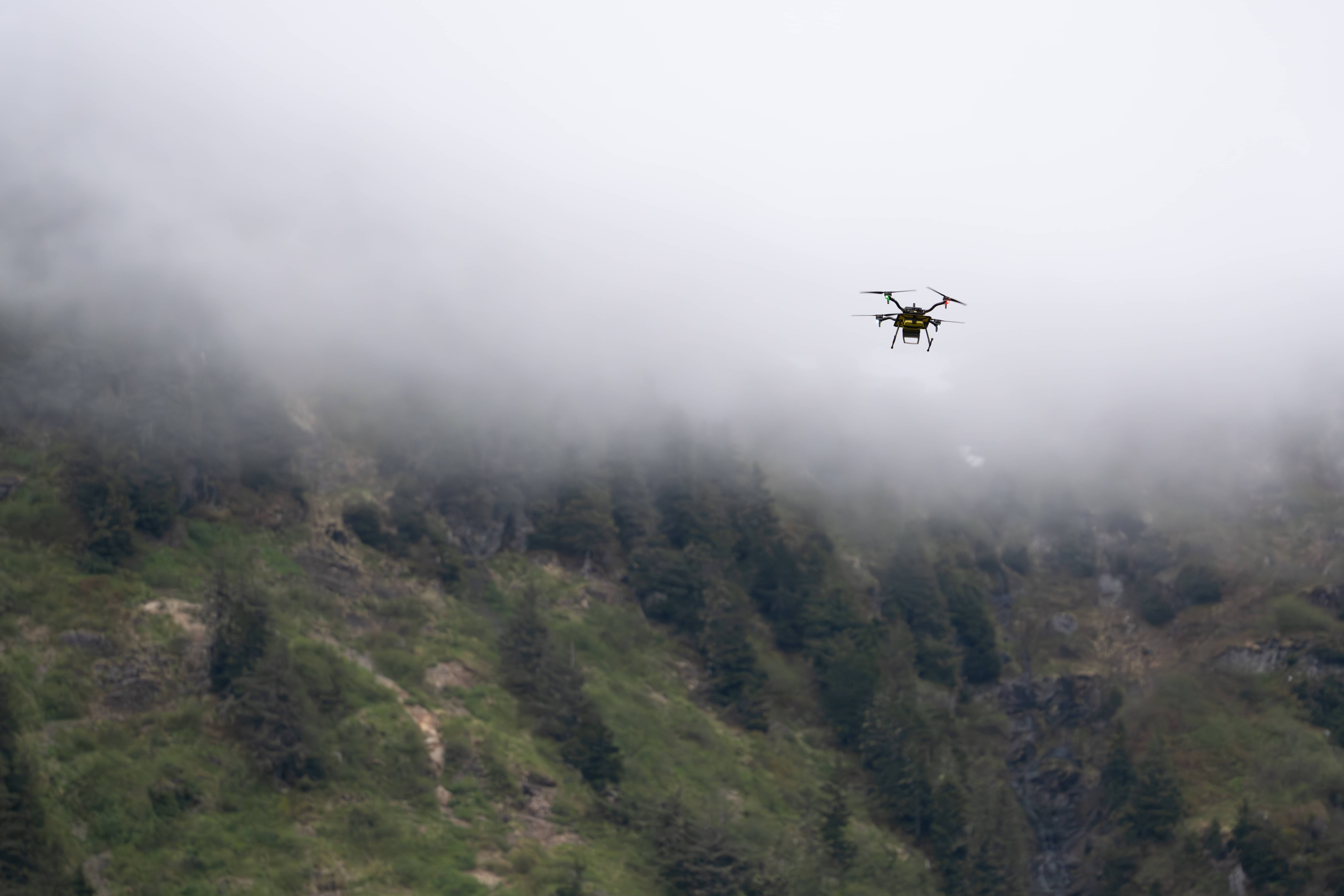
When a team has to hike 10 miles into the backcountry carrying essential, life-saving medical gear, they cannot be weighed down by cumbersome infrastructure. Every inch of transport space, battery charging efficiency, and overall equipment weight matters. We have seen the success of prioritizing this firsthand with our wildland fire systems; by heavily reducing the logistical footprint of systems like the IGNIS III Mini that operate on the smaller Freefly Astro, we made the technology significantly more practical for crews in the field.
Now, we are applying that exact same philosophy to the upcoming SAR technologies we are working on. While we utilize larger platforms like the Alta X for initial payload integration and signal testing, we are carefully considering the logistical footprint in the development of our SAR tools by intentionally driving them to market with smaller systems in mind. We know that to truly serve this volunteer-driven, cost-conscious industry, extreme portability and logistical simplicity are non-negotiable.
Muscle Memory and the User Interface
A recurring theme at the conference was that rescuers will only use what they are trained on and comfortable with. You can have the most advanced drone in the world, but if the user interface is too complex, it gets left in the cache. In high-stress environments, success relies on muscle memory.
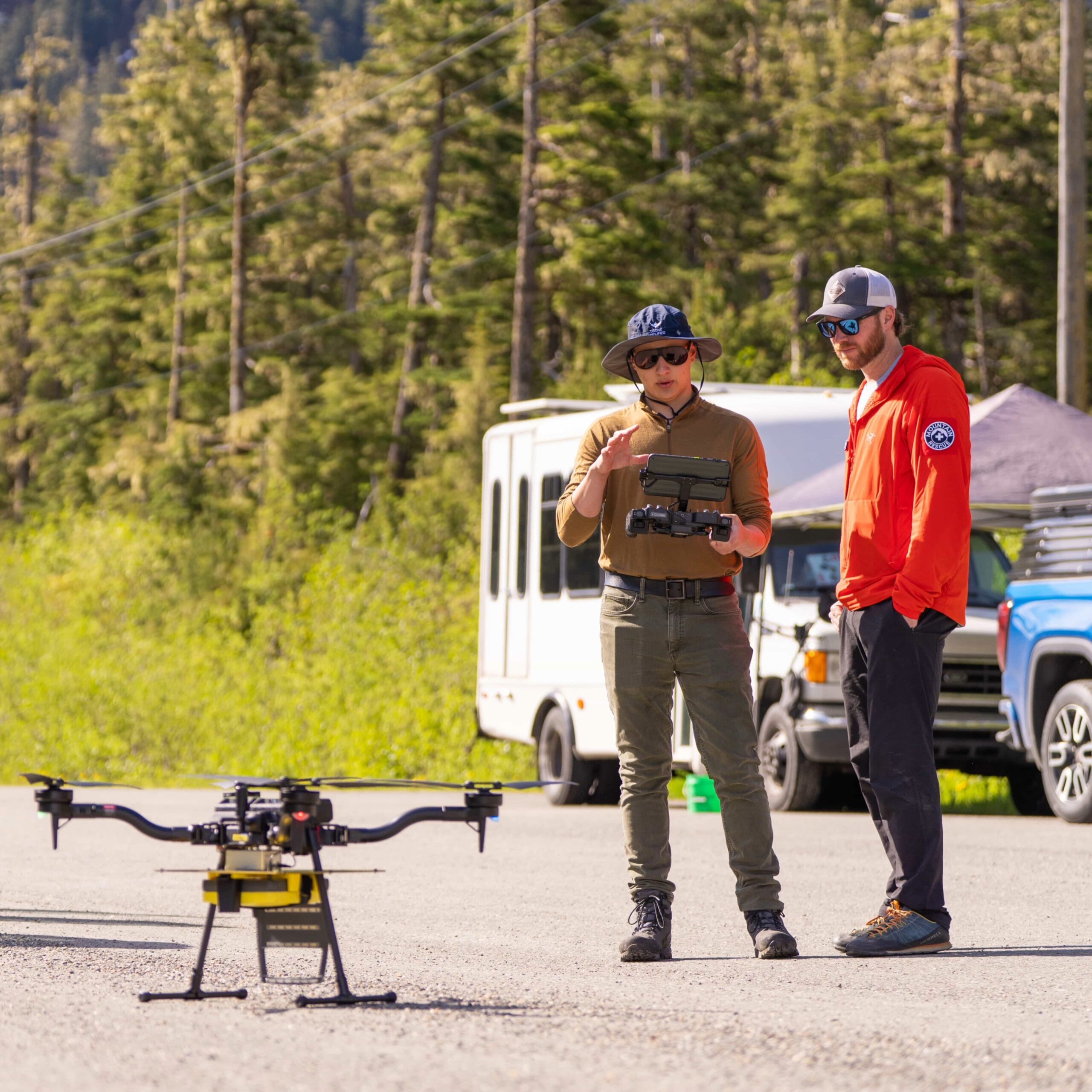
During the event, we demonstrated some of our advanced aerial search integrations, allowing rescuers with minimal drone experience to successfully locate a hidden target object. While these specific tools are still in active development and not yet commercially available, the secret to that rapid adoption is that we didn't force them to learn a completely new system.
Our lead engineer on the project, Joe Albanese, put it perfectly:
"Performing a search with advanced directional sensors is a bit like playing a musical instrument."
Veteran rescuers are trained to interpret highly specific, nuanced audio crackles and blips based on the device's angle and the target's reflection.
To preserve that hard-earned expertise, Joe designed the integration to pipe the exact raw audio directly down to the drone controller. For the seasoned rescuer, they are playing the exact same instrument—they are just doing it from the sky. To further support a wider range of operators, we paired that raw audio with a map projection algorithm that draws clear visual color returns on the screen.
The Bottom Line
The SAR community is largely driven by dedicated volunteers and grant funding. They do not have the luxury of adopting technology for technology's sake. By honoring their existing expertise, keeping systems highly portable, and designing intuitive interfaces, we can deliver accessible, lifesaving capabilities that truly respect the realities of the backcountry.
###