
Getting to Work with CalFire
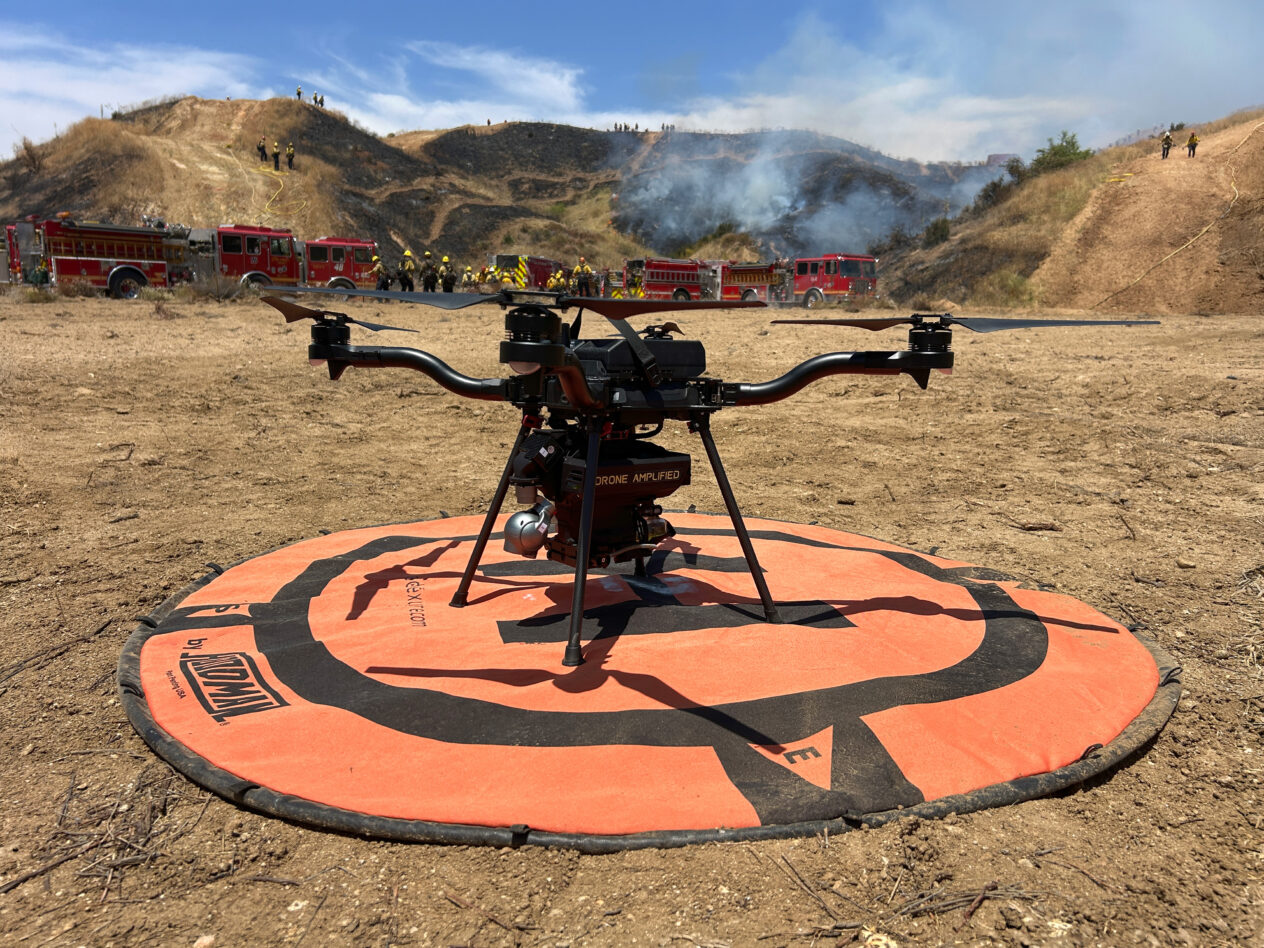
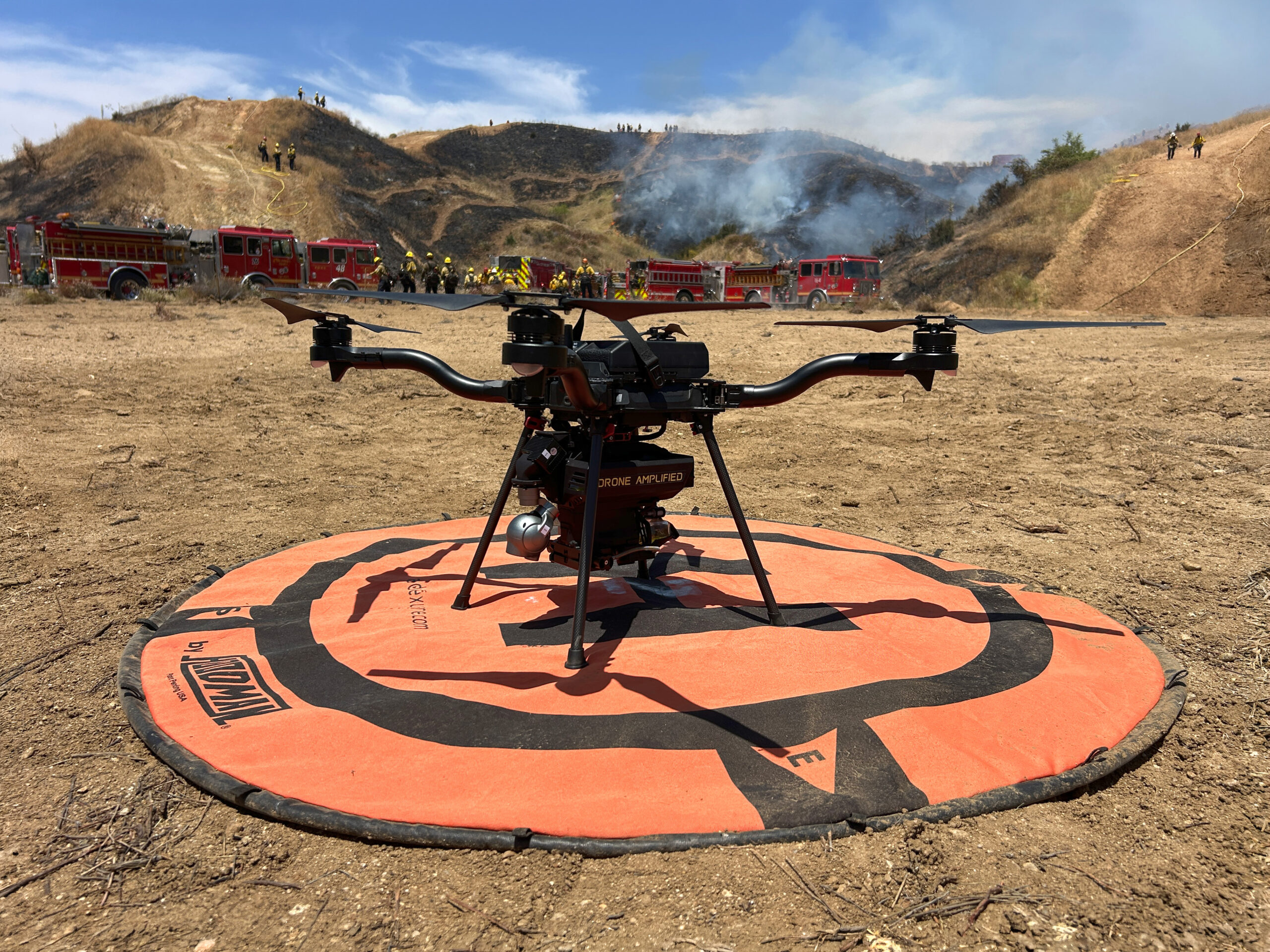
When I headed out to California, my main goal was simple: get the new IGNIS III Mini system into the hands of the local CalFire crews and see how we could help them tackle some tough burns. The guys on the crew already knew their way around a drone, so we didn't need to spend time on the basics. We just opened up the gear and got right into how the mechanics and the software actually work in the field.
To give them a feel for the setup, we started with something practical. They rigged up a line with our mini payload dropper and ran a few quick flights, dropping water bottles onto targets. It wasn't flashy, but it made the point. The crew saw pretty quickly how having a tool you can just pack in the truck might come in handy when things get unpredictable out there.
Lighting Up the Munitions Range
The real work started on a 5,000-acre prescribed burn at a military firing range. Because live munitions training tends to spark accidental fires, the goal of the prescribed burn CalFire was helping with was to clear out at least 75% of the fuel load.
It was a big operation. They had roughly 75 ground personnel, maybe 20 engines, and a few dozers standing by. But the terrain was the real problem. The steep valleys were full of unexploded ordnance (UXO). Because of the buried explosives, ground crews had to stay on the dirt roads. Hand-lighting the interior wasn't just difficult; it was out of the question. If they wanted to safely pull the fire through the canyons, they needed a way to do it from the air.
Another CalFire crew had a larger, trailer-based drone setup running down on the valley floor. Since we were operating the more portable IGNIS III, we loaded the drone and the battery case into the back of a pickup and drove up the ridge roads to get to the top of the mountains.
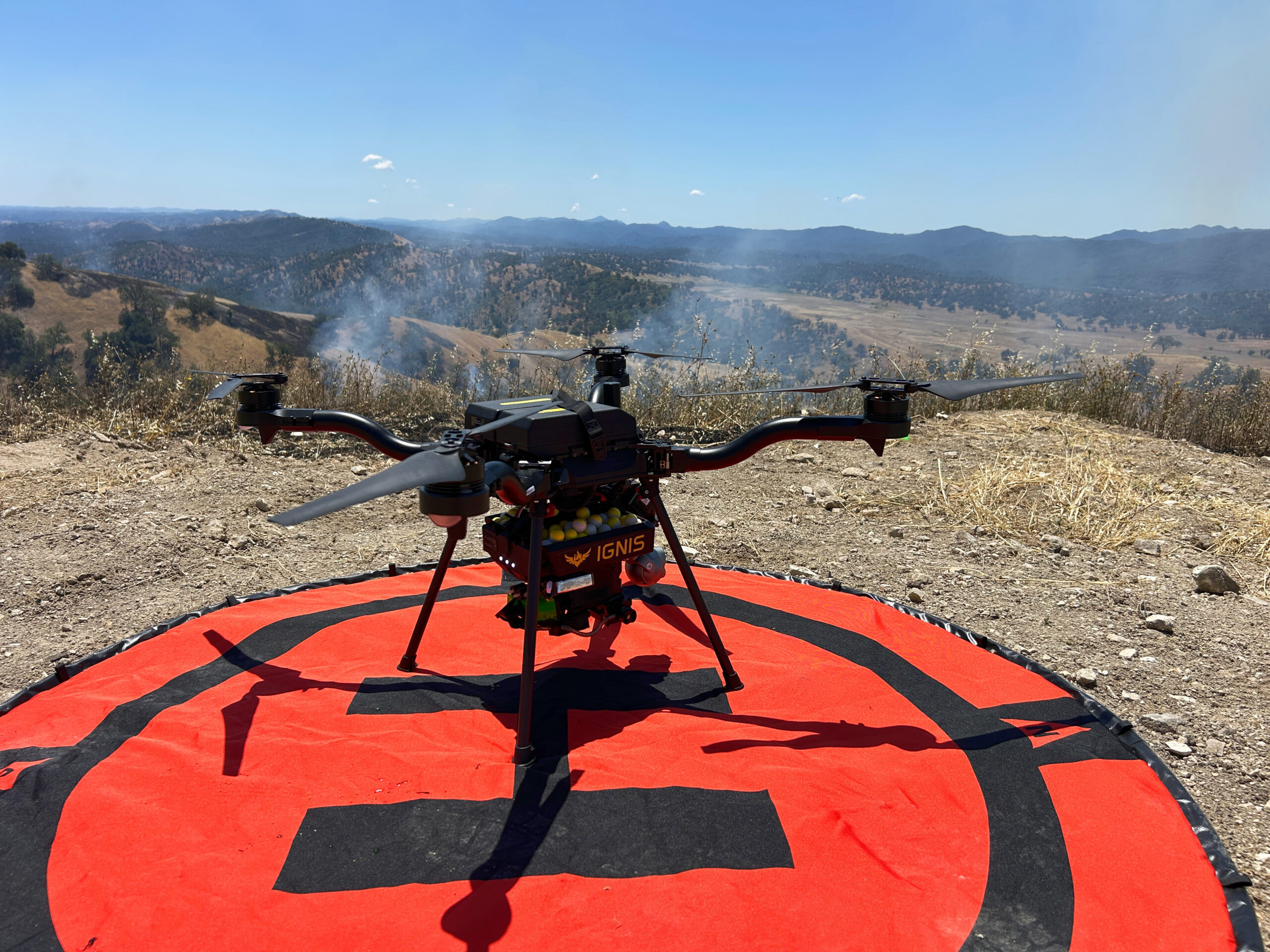
Launching from the tailgate, we just worked the canyons from above. By the end of the day, we had dropped over 1,800 ignition spheres, putting fire exactly where the guys on the ground couldn't walk.
After we wrapped up, the firing boss looked out over the burn and commented that getting the fire effects he wanted wouldn’t have been possible that day without the drone. The fire simply wasn’t carrying from the exterior ignitions and the drones interior ignition was the only way we achieved the prescription.
Keeping it Moving
By day two on the range, we had a solid rhythm going. We didn't bother hauling out external generators or setting up tables. The chargers ran right off the built-in inverter plugs in the truck bed. The drone was the only piece of gear that actually got pulled out of the truck.
We used a quick hot-swapping routine for the batteries, which meant we could keep the camera and the drone powered up. The second the drone touched down, we swapped the batteries, reloaded IGNIS III and sent it right back out. It completely cut out the system reboot times that usually slow down back-to-back flights.
Pete York, a guy who’s been with CalFire’s drone program since day one, summarized our two-day burn operation with a simple statement. "I want one.”
Mid-Flight Handoffs in LA
The last part of the trip was down at the LA County Sheriff Department compound. They were running a multi-agency prescribed burn and training operation with over 200 folks from LA, San Bernardino, and Ventura counties. They were all set up around a massive natural bowl.
The ground crews were busy working hose lays and cutting hand-lines along the edges, but they left the steep center of the bowl to us. I brought the drone up and put it in a stable hover about 50 feet out, right at eye level with the crews watching from the ridge.
To demonstrate how simple the system is to use, I passed the controller to a Ventura County drone pilot to finish off the firing operations. Within a couple minutes he was comfortable with controlling the system and burned out the rest of the bowl with me watching over his shoulder. Putting fire down from the air is just remarkably fast, and you could tell the crews noticed the difference compared to dragging a drip torch through the brush.
When we finished up, one of the local coordinators walked over to me. "Can you come back tomorrow?"
The Takeaway
The trip really highlighted to me the main advantage of this system isn't just about how much it can carry. It's about not being tied down.
A lot of drone operations end up stuck in one spot because moving a mountain of heavy support gear is just too much work. When everything you need runs out of the back of a pickup, you don't have to worry about logistics. You just drive to the best vantage point, put the drone in the air, and focus on the job.
About Drone Amplified
Drone Amplified develops drone-based systems for hazardous environmental mitigation. We design hardware and software to support professionals working in wildfire and avalanche operations with tools intended to improve access, reduce exposure, and expand operational capability. Born out of research at the University of Nebraska–Lincoln, we operate out of offices in Nebraska and New Jersey.